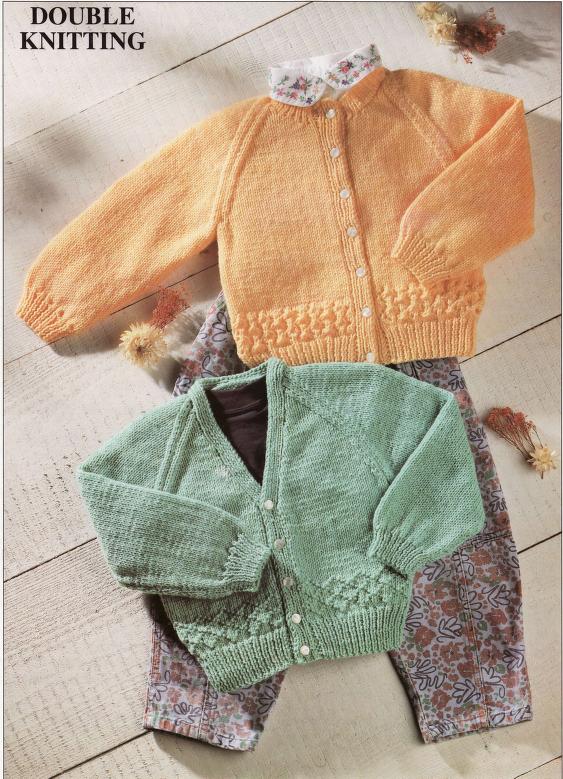
In times of need, a prayer shawl can offer solace and support. These cherished wraps are often hand-knitted with love and intention, infused with prayers and blessings as each stitch is made. Knitting patterns for prayer shawls come in a wide variety of styles, ranging from simple and serene to intricate and ornate. Whether you’re a seasoned knitter or just starting out, finding a pattern that resonates with you and the recipient is key.
Prayer shawls are often given to those who are experiencing illness, grief, or other difficult life circumstances. However, they can also be a thoughtful gift for a loved one or a special occasion like a baptism or wedding. Regardless of the reason, the act of knitting a prayer shawl is a beautiful way to extend love, support, and prayers to someone in need.
In the following sections, we’ll explore different types of knitting patterns for prayer shawls, offer tips for choosing the right yarn and needles, and provide some inspirational ideas for creating your own unique prayer shawl.
Knitting Patterns for Prayer Shawls
Comfort, support, love, prayers, blessings.
- Variety of styles
- Simple to intricate
- Choose meaningful yarn
- Knit with intention
- Personalize with colors, patterns
Prayer shawls are a tangible expression of care and compassion.
Variety of styles
Knitting patterns for prayer shawls come in a wide range of styles, allowing you to choose a design that suits the recipient and the occasion.
- Simple and elegant:
These shawls feature basic stitches and a minimalist design, making them suitable for beginners and experienced knitters alike. They often have a timeless appeal and can be easily dressed up or down.
- Intricate and ornate:
These shawls showcase complex stitch patterns, intricate cables, and delicate lacework. They require more skill and time to knit, but the results are often stunning. They are perfect for special occasions or as a gift for someone who appreciates fine craftsmanship.
- Traditional and contemporary:
Traditional prayer shawl patterns often draw inspiration from religious or cultural motifs. They may incorporate symbols, colors, or motifs that hold special meaning for the recipient. Contemporary patterns, on the other hand, offer a fresh and modern take on the traditional prayer shawl. They may feature unique color combinations, unconventional stitch patterns, or asymmetrical shapes.
- Seasonal and themed:
Some knitting patterns are designed to reflect the changing seasons or special themes. For example, you might find patterns for shawls with autumn leaves, snowflakes, hearts, or flowers. These shawls make thoughtful gifts for specific occasions or holidays.
No matter your skill level or personal taste, you’re sure to find a knitting pattern for a prayer shawl that resonates with you and the recipient.
Simple to intricate
Knitting patterns for prayer shawls range from simple and beginner-friendly to intricate and challenging. The level of difficulty you choose will depend on your skill level and the amount of time and effort you want to invest in the project.
- Basic stitches:
Simple prayer shawl patterns typically use basic stitches like the knit stitch and purl stitch. These patterns are easy to learn and memorize, making them a great choice for beginners. They also work up quickly, so you can have a finished shawl in a relatively short amount of time.
- Stitch patterns:
As you become more comfortable with basic stitches, you can start exploring patterns that incorporate different stitch combinations. These patterns add texture and visual interest to your shawl. Some popular stitch patterns for prayer shawls include lace, cables, and ribbing.
- Colorwork:
Colorwork involves using multiple colors of yarn to create patterns or motifs. This can add a playful and personal touch to your prayer shawl. Colorwork patterns can range from simple stripes to complex geometric designs.
- Advanced techniques:
Intricate prayer shawl patterns may also incorporate advanced techniques such as short rows, shaping, and grafting. These techniques allow you to create unique and eye-catching designs. However, they require more skill and experience to execute properly.
No matter your skill level, there is a knitting pattern for a prayer shawl that is perfect for you. With a little patience and practice, you can create a beautiful and meaningful shawl that will be cherished for years to come.
Choose meaningful yarn
The yarn you choose for your prayer shawl can have a significant impact on the overall look, feel, and meaning of the shawl. When selecting yarn, consider the following factors:
Fiber content:
The fiber content of the yarn will determine the shawl’s warmth, drape, and durability. Natural fibers like wool and cotton are popular choices for prayer shawls, as they are soft, breathable, and have good insulating properties. Synthetic fibers like acrylic and polyester are also commonly used, as they are affordable, easy to care for, and come in a wide range of colors.
Color:
The color of the yarn can be used to convey a specific message or meaning. For example, white is often associated with purity and innocence, while blue is often associated with peace and tranquility. You may also choose colors that have personal significance to the recipient, such as their favorite color or the colors of their alma mater.
Weight:
The weight of the yarn will determine the thickness and drape of the shawl. Worsted weight yarn is a good all-purpose choice for prayer shawls, as it produces a shawl that is warm and cozy without being too bulky. You may also choose lighter weight yarn for a more delicate shawl or heavier weight yarn for a shawl that will be used outdoors.
Texture:
The texture of the yarn can add visual interest and depth to your shawl. Some yarns have a smooth, silky texture, while others have a more rustic, textured look. You can also choose yarns with special properties, such as a boucle yarn or a yarn with metallic accents.
Once you have considered these factors, you can start narrowing down your choices and selecting the perfect yarn for your prayer shawl.
Knit with intention
Prayer shawls are often imbued with intention and meaning. As you knit, take a moment to reflect on the purpose of the shawl and the person who will receive it. Focus on creating a shawl that is made with care and intention, and that will bring comfort and support to the recipient.
You may choose to knit a specific pattern or color that holds special significance for the recipient. For example, if the shawl is being given to someone who is grieving, you might choose a pattern that symbolizes healing or peace. If the shawl is being given to someone who is facing a challenge, you might choose a color that represents strength or courage.
As you knit, take a few moments to say a prayer or offer a thoughtful thought for the recipient of the shawl. You can also channel your positive emotions and intentions into your work. For example, if you are knitting a shawl for a loved one who is sick, you can focus on knitting with love and healing energy.
Taking the time to knit with intention can create a truly unique and meaningful prayer shawl that will be cherished for years to come.
Prayer shawls are a beautiful way to express your care and support for a loved one. By knitting with intention, you can create a shawl that is not only beautiful, but also filled with meaning and purpose.
Personalize with colors, patterns
Prayer shawls are often personalized to reflect the recipient’s individual style and preferences. You can do this by choosing colors and patterns that you know they will love.
- Favorite colors:
If you know the recipient’s favorite colors, use them to create a shawl that is uniquely theirs. You can use a single color or a combination of colors to create a shawl that is both beautiful and meaningful.
- Meaningful patterns:
There are many different knitting patterns that can be used to create prayer shawls, each with its own unique meaning. For example, some patterns incorporate symbols of peace, hope, and healing. You can choose a pattern that has special significance for the recipient or that reflects the reason why you are giving them the shawl.
- Personal touches:
You can also add personal touches to the shawl by incorporating beads, embroidery, or other embellishments. For example, you might add their initials or a special symbol to the shawl. You could also add a tassel or fringe to the edges of the shawl for a unique and stylish look.
- Prayer or blessing:
Finally, you can personalize the shawl by attaching a prayer or blessing to it. This could be a handwritten note, a printed prayer, or a small charm. The prayer or blessing will add an extra layer of meaning and comfort to the shawl.
By personalizing the shawl with colors, patterns, and personal touches, you can create a truly unique and meaningful gift that will be cherished for years to come.
FAQ
Have questions about knitting patterns? Here are some frequently asked questions and answers to help you get started:
Question 1: What is a knitting pattern?
Answer: A knitting pattern is a set of instructions that tells you how to knit a specific item, such as a sweater, scarf, or shawl. It includes information about the yarn to use, the needles to use, and the steps to follow to create the item.
Question 2: Where can I find knitting patterns?
Answer: You can find knitting patterns in books, magazines, online, and even from other knitters. There are many free and paid patterns available, so you’re sure to find one that suits your needs.
Question 3: How do I choose the right knitting pattern?
Answer: When choosing a knitting pattern, consider your skill level, the amount of time and effort you want to invest in the project, and the type of item you want to make. You should also think about the yarn you want to use and the recipient of the finished item.
Question 4: What are some basic knitting stitches?
Answer: The two most basic knitting stitches are the knit stitch and the purl stitch. Once you have mastered these two stitches, you can start to learn more advanced stitches and techniques.
Question 5: How do I read a knitting pattern?
Answer: Knitting patterns use a combination of abbreviations and symbols to convey the instructions. It’s important to learn how to read these abbreviations and symbols in order to understand the pattern.
Question 6: What are some tips for knitting a prayer shawl?
Answer: When knitting a prayer shawl, it’s important to choose a pattern that is meaningful to the recipient. You should also take your time and knit with intention, focusing on creating a shawl that is both beautiful and comforting.
Question 7: Where can I find more information about knitting?
Answer: There are many resources available to help you learn more about knitting, including books, websites, and knitting classes. You can also find helpful information and support from other knitters in online forums and groups.
With a little practice and patience, you’ll be able to create beautiful and meaningful knitted items that you and your loved ones will cherish for years to come.
Now that you have a better understanding of knitting patterns, you’re ready to start your next project. Be sure to check out the tips section for additional advice and inspiration.
Tips
Here are a few practical tips to help you get started with knitting patterns:
Tip 1: Start with a simple pattern. If you’re new to knitting, it’s best to start with a simple pattern that uses basic stitches and techniques. This will help you build your confidence and learn the basics of knitting before moving on to more complex patterns.
Tip 2: Read the pattern carefully before you start knitting. Make sure you understand all of the instructions and abbreviations used in the pattern. If you’re not sure about something, look it up in a knitting reference book or online. It’s also helpful to make a swatch of the pattern before you start knitting the actual item. This will help you check your gauge and make sure you’re following the pattern correctly.
Tip 3: Be patient and persistent. Knitting can be a slow process, but it’s important to be patient and persistent. Don’t get discouraged if you make mistakes. Everyone makes mistakes when they’re learning to knit. Just keep practicing and you’ll eventually get the hang of it.
Tip 4: Have fun! Knitting should be enjoyable, so make sure you choose a pattern that you’re excited about. If you’re not enjoying the pattern, you’re less likely to finish it. There are many different knitting patterns available, so you’re sure to find one that you love.
With a little practice and patience, you’ll be able to create beautiful and meaningful knitted items that you and your loved ones will cherish for years to come.
Now that you have some helpful tips, you’re ready to start your next knitting project. Be sure to check out the conclusion section for some final thoughts and inspiration.
Conclusion
Knitting patterns offer a wonderful way to create beautiful and meaningful handmade items. Whether you’re a beginner or an experienced knitter, there is a knitting pattern out there for you. Take your time to choose a pattern that you’re excited about and that suits your skill level. With a little practice and patience, you’ll be able to create a unique and treasured item that you and your loved ones will cherish for years to come.
Remember, knitting is a journey, not a destination. Don’t be afraid to make mistakes. Everyone makes mistakes when they’re learning to knit. Just keep practicing and you’ll eventually get the hang of it. And most importantly, enjoy the process! Knitting should be a relaxing and enjoyable experience.
So pick up your needles and yarn, and start knitting today. You never know what beautiful things you might create.