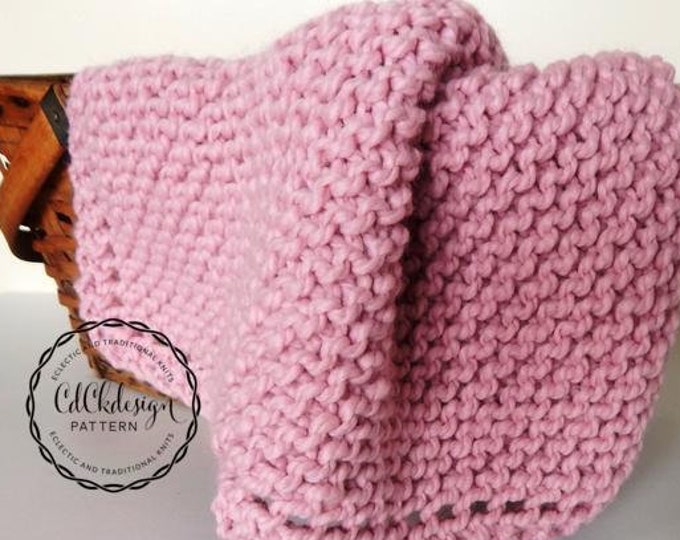
Knitting is a relaxing and rewarding hobby that can produce beautiful and functional items for your home. One of the simplest and most useful projects for beginners is the dish towel. Dish towels are a staple in every kitchen, and they can be easily customized to match your décor. Plus, they make great gifts for friends and family.
In this article, we’ll provide a step-by-step guide to knitting a dish towel, along with a free pattern for you to follow. We’ll also offer some tips and tricks for making your dish towels even more beautiful and durable.
Ready to get started? Let’s gather the materials you’ll need and learn the basic techniques of knitting before diving into the dish towel pattern.
Dish Towel Knitting Pattern
Simple, useful, customizable project.
- Great for beginners.
- Free pattern provided.
- Tips and tricks included.
- Beautiful and durable results.
Dish towels are a practical and stylish addition to any kitchen, and they make wonderful gifts for friends and family.
Great for beginners.
Dish towel knitting patterns are perfect for beginners because they are relatively simple and straightforward. They typically use basic stitches and techniques, such as the knit stitch and the purl stitch, which are easy to learn.
- Simple stitches: Dish towels are typically made using basic stitches, such as the knit stitch and the purl stitch. These stitches are easy to learn and master, even for complete beginners.
- Repetitive pattern: Dish towels often follow a simple, repetitive pattern. This makes them easy to memorize and knit, even for those with no prior knitting experience.
- Small size: Dish towels are relatively small projects, which means that they can be completed quickly. This is motivating for beginners, as they can see the results of their work in a short amount of time.
- Practical use: Dish towels are a practical and useful item that can be used in any kitchen. This makes them a great project for beginners who want to make something that they can actually use and enjoy.
Overall, dish towel knitting patterns are a great way for beginners to learn the basics of knitting and create something beautiful and useful at the same time.
beginners.
Tips and tricks included.
In addition to the free pattern, this article also includes a number of tips and tricks to help you make your dish towels even more beautiful and durable.
- Choose the right yarn: The type of yarn you use will have a big impact on the look and feel of your dish towels. For dish towels that are soft and absorbent, choose a cotton or cotton blend yarn. For dish towels that are more durable and scrubby, choose a linen or hemp yarn.
- Use a variety of stitches: Don’t be afraid to experiment with different stitches to create interesting textures and patterns in your dish towels. Some popular stitches for dish towels include the moss stitch, the seed stitch, and the garter stitch.
- Add a border: Adding a border to your dish towels will give them a more polished look and help to prevent them from curling. A simple border can be made by knitting a few rows of garter stitch around the edge of the towel.
- Wash and dry your dish towels properly: To keep your dish towels looking their best, wash them in warm water and tumble dry them on low heat. Avoid using bleach or fabric softeners, as these can damage the fibers of the yarn.
By following these tips and tricks, you can create beautiful and durable dish towels that will last for years to come.
Beautiful and durable results.
Dish towel knitting patterns can produce beautiful and durable results that will last for years to come. Here are a few reasons why:
High-quality materials: Dish towels are typically made using high-quality yarns, such as cotton, linen, and hemp. These yarns are strong and durable, and they can withstand repeated washing and drying.
Simple, sturdy construction: Dish towels are typically made using simple, sturdy stitches and techniques. This makes them less likely to unravel or come apart, even with regular use.
Versatile design: Dish towels can be made in a variety of colors, patterns, and sizes. This makes them easy to customize to match your kitchen décor and your personal style.
Practical and functional: Dish towels are a practical and functional item that can be used for a variety of tasks, such as drying dishes, wiping up spills, and cleaning countertops. They are also a great way to add a touch of style to your kitchen.
Overall, dish towel knitting patterns are a great way to create beautiful and durable items that will last for years to come.
FAQ
Here are some frequently asked questions about knitting patterns:
Question 1: What is a knitting pattern?
Answer 1: A knitting pattern is a set of instructions that tells you how to knit a particular item, such as a sweater, scarf, or hat. Patterns typically include information on the type of yarn to use, the needle size, the stitches to cast on, and the steps to follow to create the desired item.
Question 2: Where can I find knitting patterns?
Answer 2: Knitting patterns can be found in a variety of places, including books, magazines, websites, and Ravelry, a popular online community for knitters. Many designers also sell their patterns independently through their own websites or Etsy shops.
Question 3: How do I choose the right knitting pattern?
Answer 3: When choosing a knitting pattern, it is important to consider your skill level, the type of item you want to make, and the yarn you want to use. It is also important to read the pattern carefully to make sure that you understand the instructions.
Question 4: What are some common abbreviations used in knitting patterns?
Answer 4: There are a number of common abbreviations used in knitting patterns. Some of the most common include: K (knit), P (purl), St (stitch), Rep (repeat), and Inc (increase). A glossary of common knitting abbreviations is often included in the pattern.
Question 5: What is gauge in knitting?
Answer 5: Gauge is the number of stitches and rows per inch in a knitted fabric. It is important to check your gauge before you start knitting a project to make sure that you are using the correct needle size and yarn weight. If your gauge is incorrect, the finished item may not fit properly.
Question 6: How do I fix a mistake in my knitting?
Answer 6: Mistakes are a common part of knitting. If you make a mistake, don’t panic! There are a number of ways to fix common knitting mistakes, such as dropped stitches and knitting or purling in the wrong direction. With a little practice, you will learn how to fix mistakes quickly and easily.
Question 7: How can I improve my knitting skills?
Answer 7: The best way to improve your knitting skills is to practice regularly. You can also take knitting classes or workshops to learn new techniques and improve your skills. There are also many helpful resources available online, such as video tutorials and knitting blogs.
Closing Paragraph:
These are just a few of the most frequently asked questions about knitting patterns. If you have any other questions, don’t hesitate to ask a fellow knitter or search for information online.
Now that you know more about knitting patterns, you can start your next project with confidence. Be sure to check out the tips and tricks section below for additional helpful information.
Tips
Here are a few tips to help you get the most out of knitting patterns:
Tip 1: Read the pattern carefully before you start knitting.
This may seem like a no-brainer, but it’s important to take the time to read through the pattern carefully before you start knitting. Make sure that you understand the instructions and that you have all of the necessary materials.
Tip 2: Check your gauge.
Gauge is the number of stitches and rows per inch in a knitted fabric. It is important to check your gauge before you start knitting a project to make sure that you are using the correct needle size and yarn weight. If your gauge is incorrect, the finished item may not fit properly.
Tip 3: Use stitch markers.
Stitch markers are small plastic or metal markers that can be used to mark the beginning of a row, the location of a decrease or increase, or any other important point in the pattern. Stitch markers can help you to keep track of your place in the pattern and to avoid making mistakes.
Tip 4: Don’t be afraid to ask for help.
If you get stuck on a pattern or if you have any questions, don’t be afraid to ask for help. There are many resources available online and in your local community. You can find help from fellow knitters on forums, social media groups, and at your local yarn store.
Closing Paragraph:
By following these tips, you can avoid common knitting mistakes and create beautiful, professional-looking projects. So grab your needles and yarn, and get started on your next knitting project today!
Now that you have some tips for using knitting patterns, you’re ready to learn more about different types of knitting stitches and techniques. In the next section, we’ll discuss some of the most common knitting stitches and how to use them to create different patterns and textures.
Conclusion
Knitting patterns are a great way to create beautiful and useful items for yourself, your family, and your friends. They are also a great way to relax and de-stress. In this article, we have provided a step-by-step guide to knitting a dish towel, along with a free pattern for you to follow. We have also included some tips and tricks to help you make your dish towels even more beautiful and durable.
Whether you are a beginner or an experienced knitter, we hope that you have found this article helpful. With a little practice, you will be able to create beautiful and unique knitted items that you will cherish for years to come.
So what are you waiting for? Grab your needles and yarn, and get started on your next knitting project today!