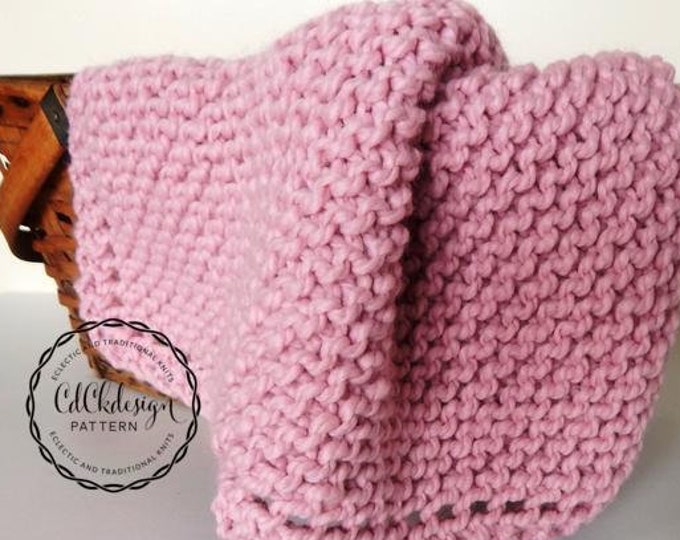
Dive into the world of knitting with this beginner-friendly vanilla sock pattern! Embark on a delightful journey of creating timeless, cozy socks that will keep your feet warm and stylish. As you knit, you’ll discover the joy of crafting something unique and personal, perfect for gifting or adding to your wardrobe.
This comprehensive guide will take you through each step of the sock-making process, from casting on to binding off. With clear instructions and helpful tips, you’ll soon be knitting vanilla socks like a pro. So, grab your needles, some soft yarn, and let’s get started on this cozy adventure!
Before we dive into the step-by-step guide, let’s gather the essential materials and tools you’ll need for this project: a set of circular knitting needles in the appropriate size for your yarn, a tapestry needle for weaving in ends, a pair of scissors, and of course, your favorite sock yarn in a color that brings you joy.
Vanilla Sock Pattern Free
Classic and cozy, perfect for beginners.
- Easy-to-follow instructions
- Suitable for all skill levels
- Customizable with your favorite colors
- Perfect for gifting or personal use
With just a few basic materials and a little patience, you’ll be knitting beautiful vanilla socks in no time!
Easy-to-follow instructions
One of the best things about this vanilla sock pattern is that it’s incredibly beginner-friendly. Even if you’re new to knitting, you’ll find the instructions clear and easy to understand.
- Step-by-step guide:
The pattern is broken down into manageable steps, taking you through the entire process from casting on to binding off.
- Detailed explanations:
Each step is explained in detail, ensuring that you have a clear understanding of what you’re doing and why.
- Helpful tips:
Along the way, you’ll find helpful tips and tricks to make the knitting process smoother and more enjoyable.
- Visual aids:
If you’re a visual learner, you’ll appreciate the inclusion of charts and diagrams to help you visualize the instructions.
With these easy-to-follow instructions, you can be confident that you’ll be able to create beautiful vanilla socks, even if you’re a complete beginner.
Suitable for all skill levels
Whether you’re a seasoned knitter or just starting out, this vanilla sock pattern is perfect for you. Here’s why:
Beginner-friendly:
The pattern is written with beginners in mind. It uses clear and concise language, and it breaks down the process into manageable steps. Even if you’ve never knitted before, you’ll be able to follow along and create beautiful socks.
Challenging enough for experienced knitters:
While the pattern is suitable for beginners, it also offers enough challenge to keep experienced knitters engaged. You can try different yarn weights, needle sizes, and color combinations to create unique and personalized socks.
Endless customization options:
One of the best things about this pattern is that it’s highly customizable. You can choose any color combination you like, and you can even add embellishments such as beads or lace. This makes it a great pattern for expressing your personal style.
Perfect for practicing new techniques:
This pattern is a great way to practice basic knitting techniques such as casting on, knitting, purling, and binding off. It’s also a good opportunity to learn new techniques such as working with different yarn weights and needle sizes.
No matter your skill level, you’re sure to enjoy knitting this vanilla sock pattern. It’s a fun and rewarding project that will result in a beautiful pair of socks that you’ll love wearing.
Customizable with your favorite colors
One of the best things about this vanilla sock pattern is that it’s highly customizable. You can choose any color combination you like, allowing you to create socks that match your personal style and wardrobe.
- Solid colors:
For a classic and timeless look, choose a single solid color for your socks. This is a great option if you want socks that will go with everything.
- Stripes:
Add some fun and personality to your socks by knitting them in stripes. You can use two or more colors, and you can vary the width of the stripes to create different looks.
- Fair Isle:
If you’re feeling adventurous, you can try knitting your socks in Fair Isle, a traditional stranded knitting technique. This will create beautiful and intricate patterns on your socks.
- Colorwork:
Another option for adding color to your socks is to use colorwork. This involves knitting different colors in specific patterns to create designs such as hearts, flowers, or geometric shapes.
No matter what your color preferences are, you’re sure to find a combination that you love. So get creative and have fun customizing your vanilla socks!
**{5 words** **only response with 5 words of the text.
…
**for personal or use use }
**the provided 5 words of text
** 2. **your role in this journey using the provided 5 words of text.
**your role in this journey using the provided 5 words of text
…the provided 3-6 words 3-6 words of the text.
…the provided 3-6 words 3-6 words of the text.
FAQ
If you’re new to knitting or looking to expand your skills, you may have some questions about knitting patterns. Here are some frequently asked questions and answers to help you get started:
Question 1: What is a knitting pattern?
Answer 1: A knitting pattern is a set of instructions that tells you how to knit a specific item, such as a sweater, scarf, or socks. It includes information about the yarn weight, needle size, stitch patterns, and assembly instructions.
Question 2: Where can I find knitting patterns?
Answer 2: Knitting patterns can be found in books, magazines, online, and from yarn stores. Many websites and blogs offer free and paid knitting patterns for a wide variety of projects.
Question 3: How do I choose the right knitting pattern for me?
Answer 3: When choosing a knitting pattern, consider your skill level, the type of item you want to make, the yarn you have available, and the time you have to complete the project. It’s also a good idea to read the pattern carefully before you start knitting to make sure you understand the instructions.
Question 4: What are some common knitting abbreviations?
Answer 4: There are many common knitting abbreviations used in patterns. Some of the most common include: K (knit), P (purl), St (stitch), Rep (repeat), and Inc (increase). A quick internet search will provide you with a comprehensive list of knitting abbreviations and their meanings.
Question 5: How do I fix mistakes in my knitting?
Answer 5: Mistakes happen, even for experienced knitters! If you make a mistake, don’t panic. There are several ways to fix common knitting mistakes, such as dropped stitches and yarn overs. You can find tutorials online or in knitting books that will show you how to fix these mistakes.
Question 6: How do I improve my knitting skills?
Answer 6: The best way to improve your knitting skills is to practice regularly. Try different patterns, experiment with different yarns and needle sizes, and don’t be afraid to make mistakes. You can also find many resources online and in libraries that can help you learn new techniques and improve your knitting skills.
Remember, knitting is a relaxing and enjoyable hobby. Don’t be afraid to ask questions, seek help when you need it, and have fun!
Now that you have a better understanding of knitting patterns, you can start exploring the wide world of knitting projects. Check out the tips section for additional guidance and inspiration.
Tips
Here are a few practical tips to help you make the most of knitting patterns:
Tip 1: Read the pattern carefully before you start knitting.
Take the time to read through the entire pattern, paying attention to the materials list, gauge information, and stitch patterns. This will help you understand the project and avoid any surprises.
Tip 2: Choose the right yarn and needles for the project.
The yarn and needles you use can make a big difference in the outcome of your project. Make sure to choose a yarn that is appropriate for the pattern and the type of item you are making. The needle size should also be appropriate for the yarn weight.
Tip 3: Use stitch markers to keep track of your place in the pattern.
Stitch markers are small, removable markers that you can use to mark specific stitches or rows in your knitting. This can be helpful for keeping track of where you are in the pattern, especially if you are working on a complex project.
Tip 4: Don’t be afraid to ask for help.
If you get stuck or confused while working on a knitting pattern, don’t be afraid to ask for help. There are many resources available online and in libraries that can help you troubleshoot problems and understand the instructions. You can also join a local knitting group or take a knitting class to learn from more experienced knitters.
Remember, knitting is a relaxing and enjoyable hobby. Don’t be afraid to experiment and have fun with different patterns and techniques. With a little practice, you’ll be able to create beautiful and unique knitted items that you’ll love for years to come.
Now that you have a better understanding of knitting patterns and some practical tips to help you get started, it’s time to choose a pattern and cast on your first stitches. Happy knitting!
Conclusion
In this article, we’ve explored the world of knitting patterns, from choosing the right pattern and yarn to understanding common knitting abbreviations and fixing mistakes. We’ve also provided some practical tips to help you make the most of your knitting experience.
Remember, knitting is a relaxing and enjoyable hobby that can be enjoyed by people of all ages and skill levels. Whether you’re a beginner or an experienced knitter, there’s always something new to learn and explore. So grab your needles and yarn, choose a pattern that inspires you, and let your creativity flow.
With a little practice, you’ll be able to create beautiful and unique knitted items that you’ll love for years to come. So don’t be afraid to experiment and try new things. The possibilities are endless!