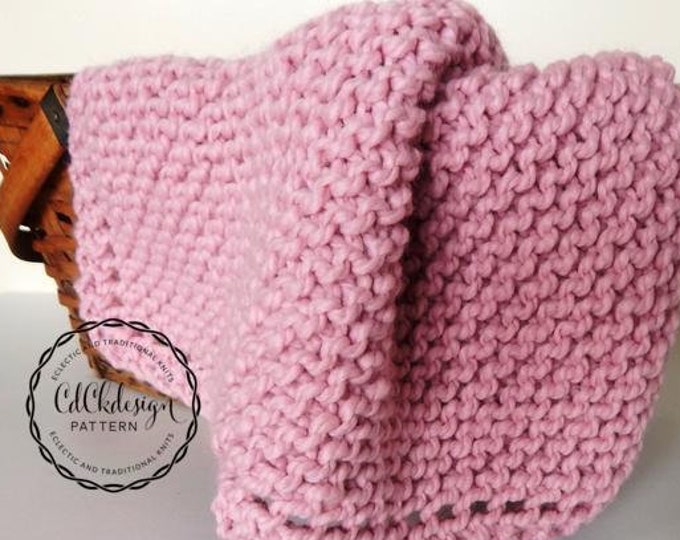
In the realm of knitting, crocheting, and other fiber arts, homespun yarn patterns hold a special place, evoking a sense of warmth, nostalgia, and timeless beauty. These patterns, often passed down through generations, carry the stories and traditions of artisans who have lovingly crafted them over the years.
Homespun yarns, made from natural fibers such as wool, cotton, and linen, possess a unique character and texture that lend themselves perfectly to creating cozy garments, accessories, and home décor items. The patterns that adorn these yarns range from classic and timeless designs to more modern and whimsical motifs, offering endless possibilities for expression and creativity.
As we delve deeper into the world of homespun yarn patterns, we will explore their rich history, discover the techniques and tools used to create them, and draw inspiration from the diverse array of designs that have emerged from different cultures and traditions.
Homespun Yarn Patterns
Homespun yarns, with their natural charm and unique texture, have inspired a wealth of patterns that reflect the creativity and traditions of artisans worldwide.
- Timeless and versatile
- Classic and modern designs
- Embracing cultural heritage
- Endless possibilities for expression
From cozy garments to intricate home décor, homespun yarn patterns continue to captivate hearts and hands, inviting us on a journey of creativity and connection.
Timeless and versatile
Homespun yarn patterns transcend time and trends, embodying a timeless quality that ensures their enduring appeal. Their versatility allows them to be adapted to a wide range of projects, from classic garments and accessories to contemporary home décor items.
- Classic appeal:
Homespun yarn patterns often draw inspiration from traditional designs that have been passed down through generations. These patterns evoke a sense of nostalgia and familiarity, making them enduring favorites among knitters and crocheters.
- Adaptable to modern styles:
While rooted in tradition, homespun yarn patterns are not limited to the past. Contemporary designers have reinterpreted these patterns to create garments and accessories that reflect current fashion trends. The natural charm of homespun yarns lends itself well to modern aesthetics, resulting in unique and stylish pieces.
- Suitable for various projects:
The versatility of homespun yarn patterns extends to the wide range of projects they can be used for. From cozy sweaters and scarves to intricate blankets and afghans, homespun yarns add warmth and texture to any project. They are also ideal for home décor items such as pillows, rugs, and wall hangings, bringing a touch of rustic charm to any living space.
- Endless possibilities for customization:
Homespun yarn patterns provide a blank canvas for customization and personal expression. Knitters and crocheters can choose from a variety of colors, textures, and stitch patterns to create truly unique pieces that reflect their individual style and creativity.
The timeless and versatile nature of homespun yarn patterns makes them a valuable addition to any fiber artist’s repertoire. Their enduring appeal and adaptability ensure that these patterns will continue to inspire and delight for generations to come.
Classic and modern designs
mpf Homespun yarns, with their natural and unique texture, have inspired a wealth of patterns that reflect the traditions and cultures of artisans. These patterns can be broadly categorized into two main groups: classic and modern designs.
mpf
ul
Classic designs
mpf
Classic homespun yarn patterns draw inspiration from traditional designs that have been passed down through generations. These patterns often feature timeless motifs such as stripes, plaids, andケーブル編み (cable knit).
mpf
Their enduring appeal lies in their simplicity, versatility, and ability to evoke a sense of nostalgia. Classic designs are often used to create garments and home items with a timeless and elegant aesthetic.
Modern designs
mpf
Modern homespun yarn patterns, on the other hand, embrace contemporary trends and styles. Designers are reimagining traditional patterns with new color combinations, textures, and stitch techniques.
mpf
Modern designs often incorporate elements of minimalism, geometric shapes, and bold colors. They are perfect for creating garments and home items with a fresh and updated look.
mpf Homespun yarn patterns, whether classic or modern, offer a wide range of choices for knitters and crocheters. The versatility of these patterns allows them to be adapted to suit individual tastes and styles, making them a valuable addition to any crafter’s repertoire.
Embracing cultural heritage
Homespun yarn patterns are deeply rooted in the cultural heritage of many societies around the world. These patterns reflect the traditions, beliefs, and stories of the people who created them.
- Preserving traditions:
Homespun yarn patterns serve as a means of preserving cultural traditions and passing them down from generation to generation. By learning and creating these patterns, individuals connect with their ancestors and keep their cultural heritage alive.
- Storytelling through patterns:
Many homespun yarn patterns incorporate symbols, motifs, and colors that tell stories about the culture and history of the people who created them. These patterns can depict scenes from everyday life, legends, or religious beliefs.
- Cultural identity:
Homespun yarn patterns can be a source of cultural identity and pride. Wearing or using items made with these patterns allows individuals to express their connection to their cultural heritage and share it with others.
- Promoting cultural exchange:
Homespun yarn patterns can also facilitate cultural exchange and appreciation. When people from different cultures learn about and create these patterns, they gain a deeper understanding of each other’s traditions and values.
Embracing cultural heritage through homespun yarn patterns is a beautiful way to celebrate the diversity and richness of human culture. These patterns provide a tangible link to the past and a way to connect with people from all over the world.
endless possibilitiesxffffParagraph continues below…
FAQ
Have questions about knitting patterns? Look no further! This FAQ section provides answers to some of the most common questions knitters have.
Question 1: What is a knitting pattern?
Answer 1: A knitting pattern is a set of instructions that tells you how to create a knitted item, such as a sweater, scarf, or blanket. It includes information about the yarn weight, needle size, stitch patterns, and construction techniques.
Question 2: Where can I find knitting patterns?
Answer 2: Knitting patterns can be found in many places, including books, magazines, online resources, and yarn stores. Some patterns are free, while others may require purchase.
Question 3: How do I choose the right knitting pattern?
Answer 3: When choosing a knitting pattern, consider your skill level, the type of item you want to make, the yarn weight you prefer, and the time and budget you have available.
Question 4: What are some basic knitting stitches?
Answer 4: Some basic knitting stitches include the knit stitch, purl stitch, increase, and decrease. These stitches are the foundation for creating a wide variety of knitting patterns.
Question 5: How do I read a knitting pattern?
Answer 5: Reading a knitting pattern involves understanding the abbreviations, symbols, and instructions used. It’s helpful to start with simple patterns and gradually work your way up to more complex ones as you gain experience.
Question 6: What are some common knitting mistakes and how can I avoid them?
Answer 6: Common knitting mistakes include dropped stitches, incorrect stitch counts, and tension problems. To avoid these mistakes, pay attention to your work, use the correct needle size for your yarn, and practice regularly.
Question 7: How can I improve my knitting skills?
Answer 7: To improve your knitting skills, practice regularly, try different patterns and techniques, and seek guidance from experienced knitters or online resources.
Question 8: What are some fun knitting projects for beginners?
Answer 8: Great beginner knitting projects include scarves, hats, dishcloths, and simple sweaters. These projects allow you to practice basic stitches and techniques while creating useful and enjoyable items.
Remember, knitting is a skill that takes time and practice to master. Don’t be discouraged if you make mistakes along the way. Just keep knitting and learning, and you’ll soon be creating beautiful and unique handmade items.
Now that you have a better understanding of knitting patterns, let’s explore some additional tips and tricks to help you become a more confident and skilled knitter.
Tips
Ready to take your knitting skills to the next level? Here are four practical tips to help you become a more confident and skilled knitter:
Tip 1: Choose the right yarn and needles.
The choice of yarn and needles can significantly impact the final outcome of your knitting project. Consider the type of item you’re making, the desired look and feel, and the yarn weight and needle size recommended in the pattern.
Tip 2: Practice regularly.
The more you knit, the better you’ll become at it. Set aside some time each week to practice your stitches and techniques. You can work on small projects like scarves or dishcloths to hone your skills.
Tip 3: Don’t be afraid to make mistakes.
Mistakes are a natural part of the learning process. When you make a mistake, don’t be discouraged. Simply undo the stitches and start again. With practice, you’ll make fewer mistakes and become more confident in your knitting.
Tip 4: Seek guidance from experienced knitters.
If you’re struggling with a particular technique or pattern, don’t hesitate to seek help from experienced knitters. You can find knitting communities online or at local yarn stores where you can ask questions, share tips, and learn from others.
Remember, knitting is a skill that takes time and patience to master. By following these tips and practicing regularly, you’ll become a more confident and skilled knitter, able to create beautiful and unique handmade items.
With the knowledge gained from the FAQ and tips sections, you’re well-equipped to embark on your knitting journey. Let your creativity shine as you explore the endless possibilities of knitting patterns and create handmade treasures that bring joy to yourself and others.
Conclusion
Homespun yarn patterns, with their timeless appeal and endless possibilities for expression, invite us on a creative journey that connects us to our cultural heritage and allows us to express our individuality.
From classic designs that evoke a sense of nostalgia to modern patterns that embrace contemporary trends, homespun yarns provide a versatile medium for creating garments, accessories, and home décor items that reflect our unique style and taste.
Whether you’re a seasoned knitter or just starting out, the world of homespun yarn patterns offers something for everyone. With a little patience and practice, you can master the basic stitches and techniques needed to bring these patterns to life.
So, pick up your needles, choose a homespun yarn pattern that inspires you, and embark on a creative adventure. Let the rhythmic click of the needles and the soft touch of the yarn soothe your mind and bring joy to your heart.
Remember, knitting is not just about creating beautiful items; it’s also about the process itself, the mindfulness and relaxation it brings, and the sense of accomplishment you feel when you complete a project.
As you explore the world of homespun yarn patterns, may you find endless inspiration, creativity, and fulfillment in the art of knitting.