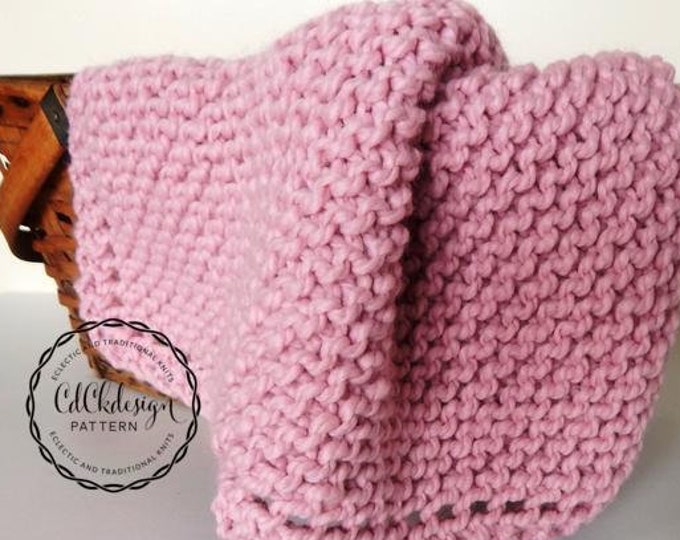
In the realm of knitting, where creativity intertwines with patience and precision, eyelet knitting patterns stand out as a testament to the intricate beauty that can be achieved with yarn and needles. These patterns, characterized by their delicate openwork designs, create a lacy, airy effect that adds a touch of elegance and charm to any knitted project.
With their versatility and adaptability, eyelet knitting patterns can be incorporated into a wide range of garments and accessories, from breezy summer tops to cozy winter scarves. Their intricate designs add a layer of visual interest, transforming ordinary knitted pieces into captivating works of art. Whether you’re a seasoned knitter seeking a new challenge or a beginner eager to explore the realm of lace knitting, eyelet patterns offer an exciting opportunity to elevate your skills and create stunning results.
Before embarking on your eyelet knitting journey, it’s essential to lay a solid foundation by understanding the basics of knitting and mastering fundamental stitches. With a clear grasp of the knit and purl stitches, you’ll possess the building blocks necessary to create the intricate openwork patterns that define eyelet knitting.
Eyelet Knitting Pattern
Delicate openwork designs, intricate beauty.
- Versatile, adaptable patterns.
- Wide range of projects.
- Beginner-friendly, challenging for experienced knitters.
- Master basic stitches before starting.
Eyelet knitting patterns offer a wonderful combination of elegance, versatility, and creativity, making them a popular choice for knitters of all skill levels.
Versatile, adaptable patterns.
One of the keyの魅力of eyelet knitting patterns lies in their versatility and adaptability. These patterns can be incorporated into a wide range of projects, from garments to accessories, making them a great choice for knitters who enjoy exploring different creative possibilities.
For instance, eyelet patterns can be used to create airy summer tops that allow for breathability on warm days. They can also be incorporated into cozy winter scarves that provide both warmth and a touch of delicate beauty. Additionally, eyelet patterns can be used to make elegant shawls, intricate lace doilies, and even delicate baby blankets.
The adaptability of eyelet patterns extends beyond the types of projects they can be used for. These patterns can be customized to suit individual tastes and preferences. For example, the size and placement of the eyelet holes can be adjusted to create different effects. Knitters can also choose from a variety of yarn weights and colors to create eyelet patterns that are both visually appealing and practical.
Furthermore, eyelet patterns can be combined with other knitting techniques to create even more intricate and unique designs. For instance, eyelet patterns can be paired with colorwork or cable knitting to create garments and accessories that are both visually striking and texturally interesting.
The versatility and adaptability of eyelet knitting patterns make them a popular choice for knitters of all skill levels, from beginners to experienced crafters. These patterns offer endless opportunities for creativity and self-expression, allowing knitters to create one-of-a-kind pieces that reflect their personal style and preferences.
Wide range of projects.
The versatility of eyelet knitting patterns allows them to be incorporated into a wide range of projects, each with its own unique charm and purpose.
- Garments: Eyelet patterns can be used to create a variety of garments, including tops, sweaters, dresses, and skirts. These garments are often lightweight and airy, making them perfect for warm weather. However, eyelet patterns can also be used to create cozy winter garments, such as scarves, hats, and mittens.
Accessories: Eyelet patterns are also commonly used to create accessories, such as shawls, scarves, and cowls. These accessories can add a touch of elegance and sophistication to any outfit. Additionally, eyelet patterns can be used to make delicate lace doilies, table runners, and other home décor items.
Baby items: Due to their delicate and airy nature, eyelet patterns are often used to create baby items, such as blankets, booties, and sweaters. These items are not only beautiful but also soft and gentle on baby’s skin.
Jewelry: Eyelet patterns can even be used to create unique and intricate jewelry pieces, such as necklaces, earrings, and bracelets. These pieces are often made with fine yarn and delicate beads, resulting in stunning and eye-catching accessories.
The wide range of projects that can be made with eyelet knitting patterns makes them a great choice for knitters who enjoy exploring different creative possibilities. Whether you’re looking to make a new garment, accessory, or home décor item, eyelet patterns offer endless opportunities for self-expression and creativity.
Beginner-friendly, challenging for experienced knitters.
Eyelet knitting patterns offer a unique blend of beginner-friendliness and challenge, making them suitable for knitters of all skill levels. Beginners can start with simple eyelet patterns that incorporate a few basic stitches, such as knit, purl, and yarn over. These patterns allow beginners to practice their fundamental knitting skills while also creating beautiful and delicate projects.
As knitters gain more experience and confidence, they can explore more complex eyelet patterns that incorporate a wider variety of stitches and techniques. These patterns may require more careful attention to detail and a higher level of skill, but they also offer the opportunity to create truly stunning and intricate pieces.
One of the great things about eyelet knitting patterns is that they can be customized to suit the skill level of the knitter. For example, a beginner might choose to make an eyelet scarf with a simple repeating pattern, while a more experienced knitter might choose to make a complex eyelet shawl with intricate lace motifs.
The versatility of eyelet knitting patterns also makes them a great choice for experienced knitters who are looking for a challenge. These patterns can be used to create unique and personalized garments and accessories that showcase the knitter’s skill and creativity.
Overall, eyelet knitting patterns offer a wonderful combination of beginner-friendliness and challenge, making them a great choice for knitters of all skill levels. Whether you’re a beginner looking to learn a new technique or an experienced knitter looking for a new challenge, eyelet patterns offer endless opportunities for creativity and self-expression.
Master basic stitches before starting.
Before embarking on your eyelet knitting journey, it’s essential to have a solid foundation in the basic knitting stitches. These stitches include the knit stitch, the purl stitch, and the yarn over. Once you have mastered these basic stitches, you will be well-equipped to tackle eyelet patterns.
- The knit stitch: The knit stitch is the most basic knitting stitch. To make a knit stitch, insert the right needle into the front loop of the stitch on the left needle from left to right. Wrap the yarn around the right needle and pull it through the loop on the left needle. Slip the old loop off the left needle.
The purl stitch: The purl stitch is the opposite of the knit stitch. To make a purl stitch, insert the right needle into the back loop of the stitch on the left needle from right to left. Wrap the yarn around the right needle and pull it through the loop on the left needle. Slip the old loop off the left needle.
The yarn over: The yarn over is a technique used to create holes in the fabric. To make a yarn over, simply wrap the yarn around the right needle before knitting or purling the next stitch.
Mastering these basic stitches: It’s important to practice these basic stitches until you are comfortable with them. There are many resources available online and in libraries that can help you learn and practice these stitches.
Once you have mastered the basic stitches, you will be ready to start knitting eyelet patterns. Eyelet patterns typically involve a combination of knit stitches, purl stitches, and yarn overs. By following the instructions in the pattern, you can create beautiful and delicate openwork designs.
FAQ
Have questions about knitting patterns? Here are some frequently asked questions and answers to help you get started:
Question 1: What is a knitting pattern?
Answer: A knitting pattern is a set of instructions that tells you how to knit a specific item, such as a sweater, scarf, or hat. Patterns typically include information about the yarn weight, needle size, and stitches needed, as well as detailed instructions for each row or round.
Question 2: Where can I find knitting patterns?
Answer: Knitting patterns can be found in a variety of places, including books, magazines, online websites, and Ravelry, a popular online community for knitters. Many yarn stores also offer a selection of patterns for purchase.
Question 3: How do I choose the right knitting pattern?
Answer: When choosing a knitting pattern, it’s important to consider your skill level, the type of item you want to make, and the yarn you want to use. If you’re a beginner, it’s best to choose a pattern that is simple and straightforward. As you gain more experience, you can start to tackle more challenging patterns.
Question 4: What are some common knitting abbreviations?
Answer: Knitting patterns often use abbreviations to save space and make the instructions easier to read. Some common knitting abbreviations include:
- K: knit
- P: purl
- YO: yarn over
- K2tog: knit two stitches together
- P2tog: purl two stitches together
- SSK: slip, slip, knit
- PSSO: pass slipped stitch over
Question 5: How do I fix a mistake in my knitting?
Answer: Mistakes happen! If you make a mistake in your knitting, don’t panic. There are a few ways to fix it. If you’ve just made the mistake, you can simply unravel the stitches back to the mistake and redo them correctly. If you’ve already knitted several rows past the mistake, you can try to “tink” it, which involves carefully cutting the yarn and then re-knitting the stitches that were affected by the mistake.
Question 6: How do I learn to knit new stitches and techniques?
Answer: There are many resources available to help you learn new stitches and techniques, including books, online tutorials, and knitting classes. YouTube is also a great resource for finding video tutorials on specific knitting techniques.
Closing Paragraph for FAQ:
These are just a few of the most frequently asked questions about knitting patterns. With a little practice and patience, you’ll be able to create beautiful and unique knitted items in no time!
Now that you know the basics of knitting patterns, you’re ready to start creating your own unique knitted items. Check out the next section for some helpful tips and tricks to make your knitting experience more enjoyable and productive.
Tips
Here are a few practical tips to help you make the most of your knitting patterns and create beautiful knitted items:
Tip 1: Read the pattern carefully before you start knitting.
Make sure you understand all of the instructions, including the abbreviations and symbols used. If you’re not sure about something, don’t hesitate to look it up or ask for help.
Tip 2: Choose the right yarn and needles for your project.
The yarn and needles you choose will have a big impact on the look and feel of your finished project. Make sure you choose a yarn that is appropriate for the pattern and that you’re comfortable working with.
Tip 3: Pay attention to gauge.
Gauge is the number of stitches and rows per inch in your knitting. It’s important to check your gauge before you start knitting the main part of your project. If your gauge is off, your finished project may not fit properly.
Tip 4: Don’t be afraid to make mistakes.
Everyone makes mistakes when they’re knitting. The important thing is to learn from your mistakes and move on. If you make a mistake, don’t rip out your entire project. Simply unravel the stitches back to the mistake and redo them correctly.
Closing Paragraph for Tips:
With a little practice and patience, you’ll be able to create beautiful and unique knitted items that you’ll love for years to come. So don’t be afraid to experiment with different patterns and techniques. The possibilities are endless!
Now that you have a better understanding of knitting patterns and some helpful tips to get you started, it’s time to put your skills to the test. Choose a pattern that you like and give it a try. With a little practice, you’ll be able to create beautiful and unique knitted items that you’ll be proud to wear or give as gifts.
Conclusion
Knitting patterns offer a wonderful way to create beautiful and unique handmade items. Whether you’re a beginner or an experienced knitter, there are patterns available to suit all skill levels and preferences. With a little practice and patience, you can master the basics of knitting and start creating your own one-of-a-kind knitted garments and accessories.
The main points to remember about knitting patterns are:
- Knitting patterns provide a set of instructions for creating a specific knitted item.
Patterns can be found in books, magazines, online websites, and Ravelry.
When choosing a pattern, consider your skill level, the type of item you want to make, and the yarn you want to use.
Common knitting abbreviations include K (knit), P (purl), YO (yarn over), and K2tog (knit two stitches together).
Mistakes happen! If you make a mistake, don’t panic. There are ways to fix it.
There are many resources available to help you learn new stitches and techniques, including books, online tutorials, and knitting classes.
Closing Message:
So what are you waiting for? Grab your needles and yarn and start knitting! With a little practice and patience, you’ll be creating beautiful and unique knitted items in no time. Happy knitting!