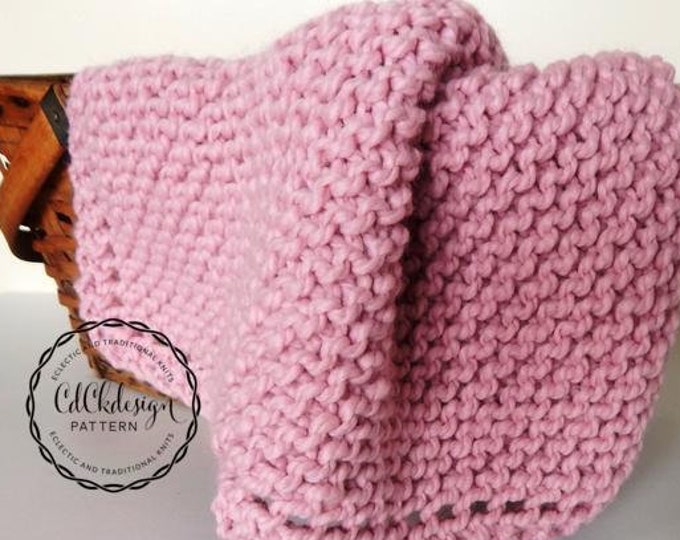
Queen Elizabeth II, known for her remarkable reign and dedication to public service, was not only a beloved monarch but also an accomplished knitter. Her passion for knitting spanned decades, leaving a legacy of cherished patterns and inspiring knitters worldwide.
The Queen’s interest in knitting originated from her childhood, where she learned the craft from her grandmother, Queen Mary. Throughout her life, knitting served as a soothing hobby, providing relaxation and a sense of creativity. Her love for the craft extended beyond personal enjoyment, as she often gifted handcrafted items to friends, family members, and charities.
The Queen’s enduring legacy in knitting continues to captivate knitters of all skill levels, inspiring them to recreate her timeless patterns. This article delves into the rich history of the Queen’s knitting journey, showcasing some of her most iconic patterns and exploring the cultural significance of her craft.
Queen Elizabeth Knitting Pattern
Timeless Patterns, Royal Legacy.
- Royal Inspiration
- Charitable Creations
- Enduring Legacy
- Knitting for Unity
Discover the cultural impact of Queen Elizabeth’s knitting, from inspiring knitters worldwide to fostering a sense of community and unity.
Royal Inspiration
Queen Elizabeth’s passion for knitting captivated the world, inspiring countless individuals to pick up the needles and create their own knitted masterpieces.
- Iconic Patterns:
The Queen’s timeless patterns, often featuring intricate cable and lace designs, became iconic symbols of her knitting prowess. Knitters worldwide eagerly sought out these patterns, replicating her elegant designs in their own projects.
- Royal Influence:
The Queen’s influence extended beyond her immediate circle, shaping the broader knitting community. Her patronage of organizations like the Knitting Guild Association and her support for yarn manufacturers contributed to the promotion and preservation of the craft.
- Fashion and Function:
The Queen’s knitting patterns showcased her keen eye for fashion and functionality. Her designs combined classic silhouettes with practical elements, resulting in garments that were both stylish and comfortable. From cozy sweaters to elegant shawls, her patterns appealed to knitters of all tastes.
- Cultural Exchange:
Queen Elizabeth’s knitting served as a bridge between cultures, fostering a sense of global unity. Her patterns were shared and appreciated by knitters from diverse backgrounds, creating a shared experience that transcended borders and languages.
The Queen’s knitting legacy continues to inspire new generations of knitters, who find joy and fulfillment in recreating her timeless patterns. Her influence on the craft is undeniable, and her contributions have left an indelible mark on the world of knitting.
Charitable Creations
Queen Elizabeth’s love for knitting extended far beyond personal enjoyment. She generously shared her knitted creations, using her craft to make a positive impact on the lives of others.
Thoughtful Gestures: The Queen often gifted her handmade items to friends, family members, and dignitaries as tokens of appreciation and affection. These gifts were not merely ceremonial; each piece was carefully crafted and infused with personal meaning, reflecting her thoughtfulness and care.
Supporting Causes: Queen Elizabeth also utilized her knitting skills to support various charitable causes. She donated hand-knitted items to be auctioned or sold, with the proceeds benefiting organizations working in areas such as healthcare, education, and animal welfare. Her involvement in these initiatives demonstrated her commitment to using her platform for the greater good.
Community Engagement: The Queen recognized the power of knitting to bring people together. She actively participated in knitting groups and workshops, encouraging others to join her in the craft. These gatherings provided opportunities for social interaction, skill sharing, and a sense of community, fostering a shared passion for knitting among individuals from diverse backgrounds.
Preserving Traditions: Queen Elizabeth’s charitable knitting efforts also served to preserve traditional crafts and techniques. By teaching others to knit and sharing her patterns, she helped ensure that these skills would continue to be passed down to future generations. Her commitment to promoting the craft contributed to the vitality and longevity of knitting as a cherished cultural tradition.
Queen Elizabeth’s charitable knitting initiatives exemplified her dedication to service and her unwavering generosity. Through her knitted creations, she spread joy, supported worthy causes, and fostered a sense of unity among knitters worldwide.
Enduring Legacy
Queen Elizabeth’s knitting legacy extends far beyond her lifetime, leaving an indelible mark on the world of knitting and inspiring generations to come.
- Timeless Patterns:
Queen Elizabeth’s knitting patterns have stood the test of time, remaining popular and sought-after by knitters worldwide. Her classic designs, featuring elegant cable and lace motifs, continue to be cherished and passed down from generation to generation.
- Knitting as a Cultural Touchstone:
Queen Elizabeth’s passion for knitting helped elevate the craft to new heights, transforming it into a beloved cultural touchstone. Her influence contributed to the growing popularity of knitting as a hobby and a form of artistic expression.
- Preservation of Traditional Skills:
Queen Elizabeth’s dedication to traditional knitting techniques helped preserve and promote these skills. Her patronage of organizations like the Knitting Guild Association and her support for yarn manufacturers ensured that these skills would continue to be passed down and celebrated.
- Symbol of Unity and Community:
Queen Elizabeth’s knitting served as a symbol of unity and community, bringing people together from diverse backgrounds. Her involvement in knitting groups and her support for charitable initiatives demonstrated her belief in the power of shared creativity and collaboration.
Queen Elizabeth’s enduring legacy in knitting is a testament to her passion for the craft, her unwavering dedication to service, and her ability to inspire others. Her contributions to the world of knitting have left a lasting impact, ensuring that her influence will continue to shape the craft for generations to come.
Knitting for Unity
Queen Elizabeth recognized the power of knitting to bring people together, fostering a sense of unity and community among individuals from diverse backgrounds.
Knitting Groups and Workshops: Queen Elizabeth actively participated in knitting groups and workshops, providing opportunities for people to connect, share their love for the craft, and learn from one another. These gatherings transcended social and cultural boundaries, creating a welcoming and inclusive environment where knitters could come together and celebrate their shared passion.
Charitable Initiatives: Queen Elizabeth’s knitting also served as a vehicle for promoting unity and supporting charitable causes. She donated hand-knitted items to be auctioned or sold, with the proceeds benefiting organizations working to address various social issues. Her involvement in these initiatives demonstrated her commitment to using her platform to make a positive impact on the world.
Cultural Exchange: Queen Elizabeth’s knitting patterns were shared and appreciated by knitters from around the globe, fostering a sense of cultural exchange and understanding. Her patterns transcended language and cultural barriers, uniting knitters from different countries and backgrounds in a shared creative endeavor.
Symbol of Hope and Resilience: During challenging times, such as the COVID-19 pandemic, knitting emerged as a symbol of hope and resilience. Queen Elizabeth’s involvement in knitting during this period inspired individuals to come together virtually and knit for a common cause. This collective effort provided comfort, solidarity, and a sense of purpose during a time of uncertainty.
Queen Elizabeth’s knitting for unity extended beyond her personal enjoyment of the craft. She recognized the transformative power of knitting to connect people, promote understanding, and make a positive impact on the world.
FAQ
Find answers to frequently asked questions about knitting patterns:
Question 1: Where can I find free knitting patterns?
Answer: Numerous websites and online resources offer a vast collection of free knitting patterns. Some popular platforms include Ravelry, AllFreeKnitting, and Lion Brand Yarn. Additionally, many yarn manufacturers provide free patterns on their websites.
Question 2: How do I choose the right knitting pattern for my skill level?
Answer: Consider your knitting experience and comfort level when selecting a pattern. Beginner-friendly patterns typically use basic stitches and techniques, while more advanced patterns may involve complex constructions or specialized stitches. Look for patterns that clearly explain the instructions and provide detailed step-by-step guidance.
Question 3: What are some popular types of knitting patterns?
Answer: Knitting patterns encompass a wide variety of garments, accessories, and home décor items. Some common types include sweaters, scarves, hats, mittens, blankets, and toys. You can also find patterns for specialized items such as socks, shawls, and lace projects.
Question 4: How do I customize a knitting pattern to fit my personal style or preferences?
Answer: Many knitting patterns offer customization options, allowing you to adjust the size, color, or details of the project. You can also experiment with different yarn weights, textures, or colors to create a unique and personalized item. If you’re comfortable with basic knitting techniques, you can modify the pattern further by adding or omitting certain elements or incorporating your own creative touches.
Question 5: How can I troubleshoot common knitting problems?
Answer: If you encounter issues while knitting, such as dropped stitches, uneven tension, or incorrect stitch counts, there are several resources available to help you troubleshoot and resolve the problem. Online tutorials, knitting communities, and experienced knitters can provide guidance and assistance.
Question 6: Where can I find inspiration for new knitting projects?
Answer: Seek inspiration from various sources such as fashion trends, nature, art, or personal experiences. Explore knitting magazines, books, and online platforms for fresh ideas and patterns. Additionally, attending knitting workshops, joining knitting groups, or following knitting influencers on social media can provide a wealth of creative inspiration.
Remember, knitting is a journey of learning, exploration, and self-expression. Embrace the process, enjoy the creative journey, and don’t be afraid to try new things!
Now that you have a better understanding of knitting patterns, let’s explore some helpful tips to enhance your knitting experience.
Tips
Enhance your knitting experience and create beautiful projects with these practical tips:
Tip 1: Choose the Right Yarn:
Selecting the appropriate yarn for your project is crucial. Consider the fiber content, weight, and texture of the yarn to ensure it aligns with the pattern requirements and your desired outcome. High-quality yarn not only elevates the final product but also makes the knitting process more enjoyable.
Tip 2: Read the Pattern Carefully:
Before embarking on your knitting journey, take the time to read and understand the pattern thoroughly. Pay attention to the abbreviations, symbols, and special techniques used. If there are any unfamiliar terms or concepts, seek clarification through online resources or knitting communities.
Tip 3: Practice Swatching:
Knitting a swatch is an essential step that allows you to test the pattern, gauge, and yarn suitability. It also provides an opportunity to practice the stitches and techniques required for the project. This simple step can save time and frustration in the long run.
Tip 4: Maintain Consistent Tension:
Consistent tension is key to achieving an even and professional-looking fabric. Aim to maintain a uniform tension throughout your knitting, avoiding overly tight or loose stitches. This attention to detail will enhance the overall appearance and quality of your knitted items.
Tip 5: Don’t Be Afraid to Experiment:
Knitting offers endless opportunities for creativity and self-expression. Don’t be afraid to experiment with different color combinations, yarn textures, or stitch patterns. Use your imagination and personal style to create unique and personalized knitted pieces that reflect your individuality.
Remember, knitting is a relaxing and rewarding hobby that allows you to create beautiful and functional items. Embrace the process, learn from your mistakes, and enjoy the journey of creating something special with your own hands.
As you embark on your knitting journey, keep these tips in mind to enhance your skills, create stunning projects, and experience the joy and fulfillment that knitting brings.
Conclusion
Summarizing the main points of our exploration into knitting patterns:
– Knitting patterns offer a diverse range of designs and styles to cater to various skill levels, tastes, and project ideas.
– Choosing the right knitting pattern is essential for a successful and enjoyable knitting experience.
– Reading the pattern carefully, swatching, and maintaining consistent tension are important techniques to ensure the quality and accuracy of the finished project.
– Knitting patterns can be customized and personalized to reflect individual creativity and style.
As you embark on your knitting journey, embrace the process of learning, experimentation, and self-expression. Whether you’re a seasoned knitter or just starting out, knitting patterns provide a gateway to creating handmade items that bring warmth, comfort, and beauty into your life and the lives of those you love.